
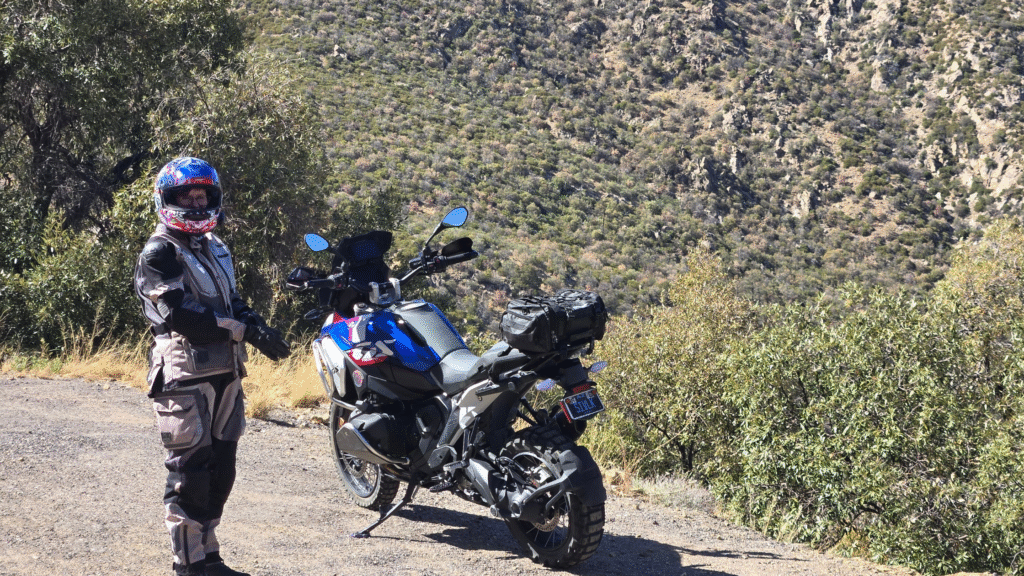
Off-road motorcycle touring combines skill, awareness, and preparation. Each ride demands a balance of control, terrain reading, and respect for the environment. At Sivlik ADV Training & Tours, safety is built into every step from the way we plan routes to how we ride as a group. This guide breaks down the core safety strategies every adventure rider should apply before, during, and after a ride.
Pre-Ride Planning
Safety begins long before you turn the key. Know your route, weather conditions, and expected terrain. Check your motorcycle’s condition—tires, fluids, brakes, and controls. Small issues at home become major problems on remote trails. At Sivlik ADV, we teach riders how to inspect their machines thoroughly before every ride. It’s part of being self-sufficient, prepared, and ready for changing conditions.
Riders should also study local regulations, land use restrictions, and weather reports. This isn’t just smart, it’s respectful to the land and the people who live there. Our routes through the Gila River Indian Community and other Arizona landscapes are chosen to protect natural spaces while offering a real sense of adventure.
On-Trail Awareness
Once the ride begins, focus shifts to terrain and rhythm. Off-road conditions change quickly and issues like loose gravel, sand washes, or water crossings can appear without warning. Keeping a clear line of sight and scanning ahead helps riders respond before problems start.
Ride at a pace that matches your comfort, not the group’s speed. Fatigue leads to mistakes, especially on technical ground. Hydrate often, take breaks, and communicate any issues with your group or guide. We emphasize small-group rides at Sivlik ADV for exactly this reason. This way every rider gets attention, space, and support.
Body Position and Bike Control
Body position is key to safety off-road. Standing on the pegs lowers the bike’s center of gravity and gives better control on uneven surfaces. Eyes up, elbows out, and knees relaxed help stabilize the motorcycle through variable terrain. Use steady throttle and smooth braking—abrupt inputs cause loss of traction.
Adventure bikes are heavier than dirt bikes, so momentum and balance matter more than speed. Training sessions at Sivlik ADV focus on this principle: stay balanced, anticipate terrain, and move with the motorcycle instead of fighting it.
Essential Gear and Preparedness
Having the right gear protects you and keeps the day comfortable. Here’s what we recommend for all off-road tours:
- Helmet with good ventilation and wide field of view
- Protective jacket and pants with armor and ventilation
- Gloves with padding for vibration and grip
- Off-road boots for ankle and shin protection
- Hydration pack and lightweight snacks
- Compact first-aid kit and basic tool roll
- Navigation device or offline map app
- Extra layers for changing weather
Each item serves a purpose: safety, endurance, or communication. The right gear can turn a stressful situation into a manageable one.
Group Dynamics and Communications
Good communication keeps the ride safe and organized. Establish hand signals and check-in points before departure. If a rider drops behind or stops, the group should follow the “one up, one down” rule so we never leave a gap larger than one rider without visual contact.
Riders also share responsibility for safety. Keep space between bikes, especially on dusty trails. Respect your limits and those of others. Safety on group rides comes from awareness and teamwork, not competition.
Environmental and Cultural Respect
Every Sivlik tour includes education about riding responsibly on Native lands and public trails. Staying on marked routes prevents erosion and protects cultural sites. Respecting the land isn’t just a safety issue, it’s part of good riding ethics.
Every Ride can be Smooth
Off-road safety comes from preparation, calm focus, and mutual respect among riders. With the right training and mindset, every ride can be smooth, rewarding, and incident-free. At Sivlik ADV Training & Tours, our goal is simple: to help you ride farther, safer, and with a deeper understanding of both the terrain and the unique culture that surrounds it.
