
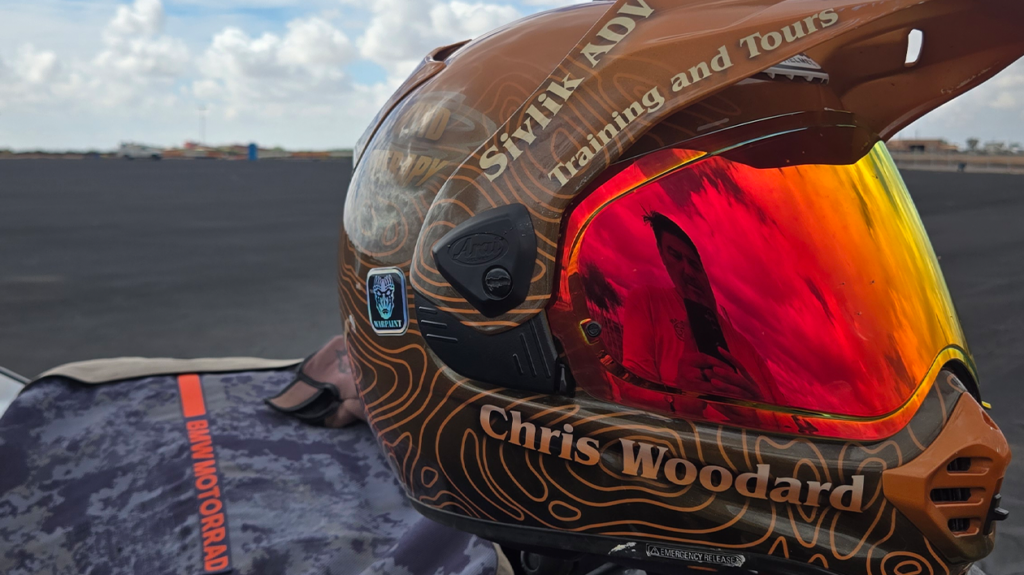
Wearing hearing protection is essential for motorcycle riders. Wind, engine and road noise during a ride regularly pass the level where hearing damage begins, and that damage is permanent and cumulative. Every ride without protection adds to it.
In this guide, I’ll walk through why motorcycle noise is so dangerous, how long you can safely ride without earplugs, the three main types of motorcycle hearing protection, what each one costs, and what I personally ride with.
Key Takeaways
- Wind noise is the biggest threat to a rider’s hearing, typically measuring 85 to 95 decibels (dB) at highway speeds, even inside a modern helmet.
- Sounds over 85 dB can destroy the inner ear’s hair cells, and those cells do not regenerate.
- Foam earplugs offer the most noise reduction for the least money (NRR 29 to 33 dB, about $0.10 to $0.30 a pair).
- Filtered silicone earplugs (NRR 16 to 27 dB) cut wind noise while still letting you hear music and helmet comms.
- Custom molded earplugs ($100 to $300) offer the best fit and comfort under a helmet for all-day riding.
Why Is Motorcycle Noise Dangerous?
Wind Noise
Wind noise is the biggest threat to our hearing when we ride. Today’s motorcycle helmets have aerodynamic designs, interior padding and composite shells, but air moving across the helmet and around your body still creates turbulence and a continuous, broad-spectrum roar. At highway speeds, that noise typically measures 85 to 95 dB inside the helmet, and that’s before you add music or comms on top of it.
Engine and Exhaust Noise
Engine and exhaust volume depends on engine size, manufacturer specifications, aftermarket modifications and your riding style. Motorcycle engines and modified exhausts typically idle at around 80 to 90 dB and can exceed 100 dB under acceleration, climbing even higher during spirited or performance riding.
How Long Can You Ride Before Noise Damages Your Hearing?
Not long. The National Institute for Occupational Safety and Health (NIOSH) sets the recommended exposure limit at 85 dB averaged over 8 hours. For every 3 dB increase, the safe exposure time is cut in half.
| Noise Level | Safe Exposure Time (NIOSH) | On the Bike |
|---|---|---|
| 85 dB | 8 hours | Lower end of highway wind noise |
| 88 dB | 4 hours | Steady highway cruising |
| 91 dB | 2 hours | Faster highway speeds |
| 94 dB | 1 hour | Upper end of typical wind noise |
| 100 dB | 15 minutes | Hard acceleration, loud exhaust |
A single afternoon on the highway can put you past your daily limit. Over a riding season, that adds up.
Why Riders Should Wear Earplugs
- Prevent permanent hearing loss: Sounds over 85 dB can destroy the hair cells in your inner ear. Those cells do not regenerate, and the result is noise-induced hearing loss.
- Lower your risk of tinnitus: Consistently wearing earplugs lowers your risk of developing tinnitus, the persistent ringing, humming or buzzing in the ears that many long-time riders live with.
- Protect your balance and reduce fatigue: Your inner ear also plays a role in your sense of balance. Reducing constant noise protects it and helps you finish a long day in the saddle less worn out and more alert.
Types of Motorcycle Earplugs
The three primary types of motorcycle hearing protection are foam, silicone and custom molded earplugs.
Foam Earplugs
Foam earplugs are inexpensive and have a Noise Reduction Rating (NRR) between 29 and 33 dB, the highest of the three types. They block nearly everything, which means music and comms are harder to hear. For a good seal, roll the plug tight, pull the top of your ear up and back, insert it, and hold it in place for 20 to 30 seconds while it expands. Then put your helmet on.
Silicone (Filtered) Earplugs
Silicone motorcycle earplugs typically have an NRR between 16 and 27 dB. Most are high-fidelity plugs with built-in acoustic filters that target high wind-noise frequencies while letting other sounds through, such as music or helmet communication systems like Cardo or Sena. They’re reusable and washable, which makes them a great everyday option.
Custom Molded Earplugs
Custom earplugs are made from medical-grade liquid silicone and molded to each individual rider’s ears. They typically have a low-profile design molded into a hollow bowl shape that sits completely flush against the outer ear, so they don’t rub against the helmet liner. That design also keeps them from becoming unseated during your ride, and makes them the most comfortable choice for all-day and multi-day riding.
Motorcycle Earplugs Compared
| Type | NRR | Typical Cost | Hear Music & Comms? | Best For |
|---|---|---|---|---|
| Foam | 29 to 33 dB | $0.10 to $0.30 per pair | Limited | Maximum protection on a budget |
| Silicone (filtered) | 16 to 27 dB | $15 to $50 per pair | Yes | Everyday riding with comms |
| Custom molded | Varies by filter | $100 to $300 per pair | Yes, with filter options | All-day comfort and long tours |
How Much Does Motorcycle Hearing Protection Cost?
- Foam earplugs: typically $0.10 to $0.30 per pair.
- Silicone motorcycle earplugs: typically $15 to $50 per pair.
- Custom molded silicone earplugs: typically $100 to $300 for a professional lab-cured pair. Final pricing depends on whether you choose a basic solid-fill mold or a pair with premium integrated acoustic filters.
Compared to the cost of a helmet, a jacket or the bike itself, even a custom pair is a small investment in a sense you can’t replace.
What I Ride With
Your hearing is paramount and an integral part of your primary senses. Unfortunately, it’s one thing that does not regenerate itself. I personally choose to ride with EarPeace earplugs, but there are numerous earplugs to consider. Some great examples are Alcair Filtered Moto Plugs, The Listening Stack Moto EP Filters and EarPeace Custom Ear Plugs.
Hearing protection belongs in your gear list right next to your helmet and gloves. For the rest of what I recommend bringing on the trail, see Essential Gear for Off-Road Motorcycle Tours in the Southwest.
Consider the value of your hearing and its importance to life both on and off the bike. Continue riding your ride, enjoying your journeys and exploring the world around you on two wheels! Stay safe. I look forward to seeing you out there and riding with you! Ready to ride with us? Book a Training or book a Tour.
Frequently Asked Questions
Do motorcycle riders need hearing protection if they wear a helmet?
Yes. A helmet protects your head, not your hearing. Wind noise inside a modern helmet typically measures 85 to 95 dB at highway speeds, which is loud enough to cause permanent hearing damage over time.
What are the best earplugs for motorcycle riding?
It depends on how you ride. Foam earplugs give the most noise reduction for the lowest cost. Filtered silicone earplugs are best if you use music or a helmet communicator. Custom molded earplugs are the most comfortable for long days and multi-day tours because they sit flush and don’t rub against the helmet liner.
Can you hear a Cardo or Sena communicator with earplugs in?
Yes. Filtered silicone and custom earplugs are designed to cut high-frequency wind noise while letting music and voice through. Many riders find they can turn their comms volume down once the wind roar is gone, which is better for their hearing too.
What NRR do I need for motorcycle earplugs?
Most riders do well with an NRR between 16 and 33 dB. Filtered silicone plugs (16 to 27 dB) bring typical highway wind noise down to a safer range while keeping comms audible. Foam plugs (29 to 33 dB) offer the most protection. Keep in mind that real-world protection depends on a good fit.
Is hearing damage from riding permanent?
Yes. Noise-induced hearing loss happens when loud sound destroys the hair cells in your inner ear, and those cells do not grow back. The damage is cumulative, so protecting your hearing on every ride matters.
